
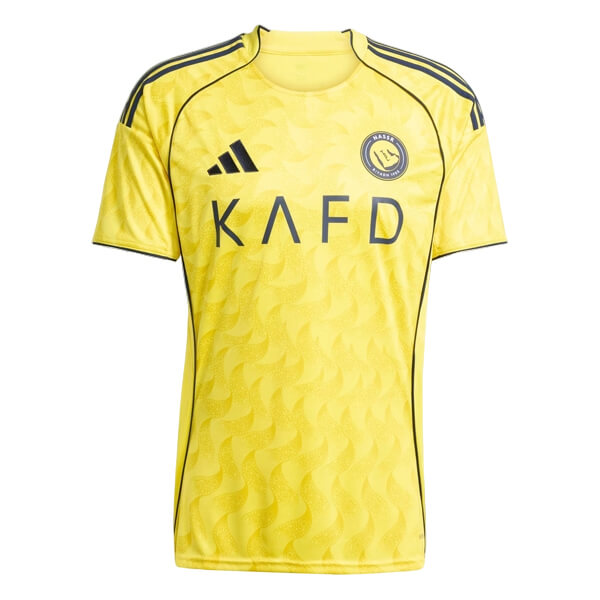
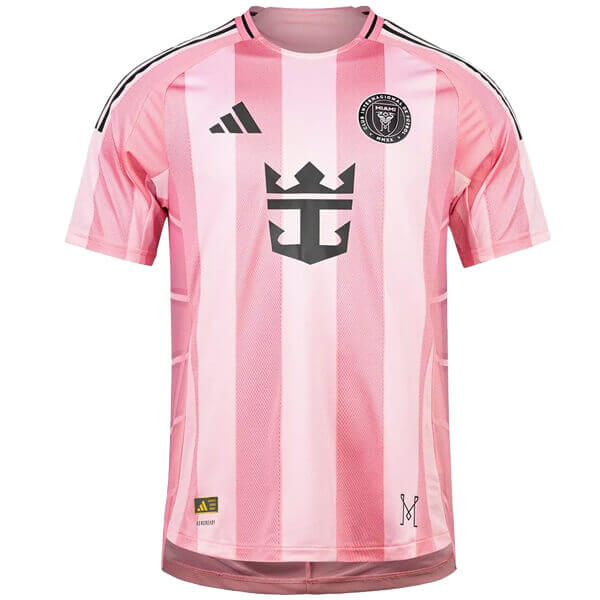
Football in 2025 is no longer constrained to the geographical limitations that used to characterize the beautiful game. In the past, most people simply supported their local team, a domestic club that enjoyed enhanced national popularity or they were limited to cheering for their own national teams and contributing to rivalries with neighboring nations. But we live in an era defined by enhanced globalization, and nowadays, the support of teams that enjoy international success is no longer restricted to just some particular geographical areas.
Clubs like Real Madrid, Barcelona, A.C. Milan, or Liverpool have a genuine global fanbase, and for clubs in emerging footballing nations like Saudi Arabia or the United States, the demand for non-European football kits has contributed to a veritable sporting revolution that influenced the way domestic clubs in these countries conduct their business. What has contributed to this global football fever? Well, it all boils down to a shift in supporters’ preferences and new accessibility avenues for fans that want to watch high-quality football in countries that previously were not known for their enhanced footballing interest.
Yes, European football is still to this day the most popular choice for the vast majority of sports fans interested in high-level competition. But times are changing. Millions upon millions have been poured into strengthening the domestic clubs based in Saudi Arabia, the United States, Japan, or South America, and a significant percentage of European fans noticed this. Football legends like Cristiano Ronaldo now play in the Saudi Pro League, while Messi, even at 38 years of age, dominates the MLS. Football experiences are now truly globalized and watching a game of Al Nassr or Inter Miami in 2025 is just as easy as watching Real Madrid.
A Shift in Top Players’ Distribution
Up until twenty years ago, the entirety of the footballing world was contained in Europe and South America. The Asian, African, North American and Middle Eastern markets were pretty much nonexistent on a footballing level, as the world’s greatest superstars never went and played at clubs outside of Brazil, Argentina, or central/western European nations. You wanted the kits of the best players in the world? Then, you probably needed to focus your attention on Premier League or La Liga shirts.
Sure, there were some exceptions like Pele, who during the last years of his career decided to play in the United States for New York Cosmos, but cases like this were the exception and not really the norm. Everything, however, changed in the last couple of years and now, championships like the Saudi Pro League seem to have as much pulling power as the top-five leagues active in Western Europe. When did it all start? Well, it’s hard to say for sure.
One could mention that MLS was the first league outside of the major European ones that managed to increase its pulling power by investing significantly in attracting household names like Thierry Henry or Zlatan Ibrahimović. Do you remember when David Beckham left Real Madrid for L.A Galaxy in 2007? Nowadays, a move like this might not look like such a big deal. After all, Iniesta left Barcelona for Vissel Kobe in 2018 and Xavi joined Al-Nassr. At the same time, Lionel Messi joined Inter Miami from PSG, while Benzema now plays for Al-Ittihad. But for 2007? Beckham’s move was seen as something of a shock.
Are They Retirement Leagues?
Well, yes and no. It’s true that the vast majority of players who leave for leagues such as the MLS, J1 League, and the Saudi Pro League are at the end of their careers and are attracted to the sporting projects of these countries with ridiculous salaries and often even ownership rights in the clubs. That said, in the last couple of years the tide has shifted a bit, and teams like Al-Hilal for example have started to attract not only aging superstars, but also promising young talents that typically shouldn’t have any problems in playing for some of the most competitive teams in Europe.
Look at Jhon Duran, for example, who at 21 was transferred by Al-Nassr, or at Marcos Leonardo, who plays for Al-Hilal. And it’s not only a Saudi phenomenon. Take Danilo for example, who went from the Premier League to Botafogo, in Brazil, for no less than €23 million. The more competitive the leagues outside of Europe are, the more likely they are to attract International viewership, increase their profile in already-established footballing nations, and enhance demand for the kits of clubs outside of the European top leagues.
High-quality non-European football kits have risen in popularity significantly in recent years, and the funny part is that clubs that previously were not associated with sporting success have started to become, at least in some parts of the world, just as recognizable as footballing juggernauts like Man United, Barcelona or even Real Madrid. The world of football is now fully globalized. The last World Cup was held in Qatar, the next one will take place in the US, and global demand for international team merchandise is higher than ever.
What Are the Most Popular Non-European Football Kits?
Well, right now, in 2025, the world of non-European football is pretty much equally divided into the MLS and the Saudi Pro League. Inter Miami CF, for example, has skyrocketed in popularity in recent years thanks to the arrivals of Jordi Alba, Sergio Busquets, Luis Suarez and of course Lionel Messi. Is it a Messi and friends squad? Sure, you can say so. But the club’s bright pink kit has now achieved global recognition. Meanwhile, in Saudi Arabia, Al Nassr, led by Cristiano Ronaldo, has risen significantly in popularity in recent years, an action that contributed to even more investments from the Saudi government in the footballing sector.
But the football world outside of Europe is not only composed of MLS and Saudi Arabian clubs. In Argentina, we can find historical teams like River Plate or Boca Juniors, which launched the careers of some of the game’s most recognizable names, such as Diego Maradona, Juan Roman Riquelme, or Alfredo Di Stefano, while in Japan, we can find clubs such as Vissel Kobe or Urawa Red Diamonds. Plus, we cannot forget about clubs in Brazil, such as Flamengo or Palmeiras, which benefit from budgets comparable to those of top European teams.
Leave A Comment